
Guest Author: Lindsey Marcus
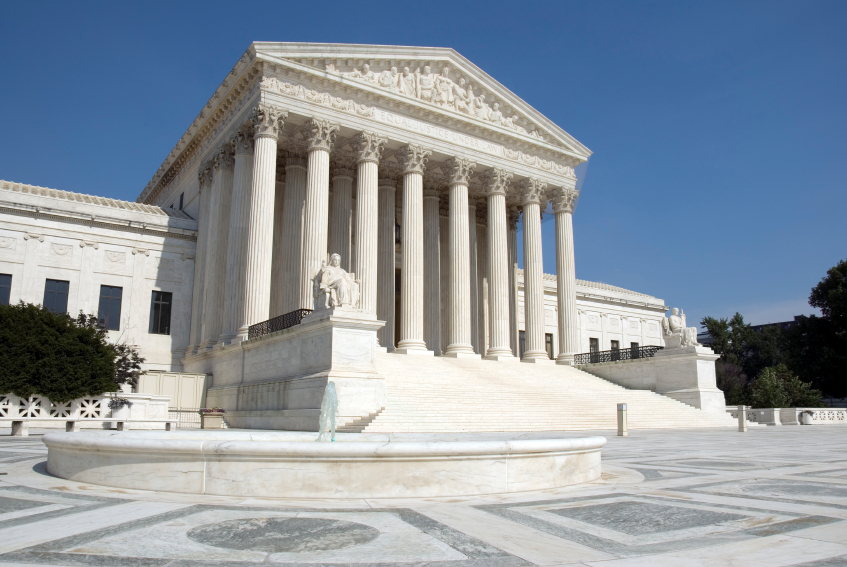 Some good news for employers. In a recent 5-4 opinion, the U.S. Supreme Court held that collective-action claims brought under the Fair Labor Standards Act (FLSA) are moot when the named plaintiff has no continuing personal interest in the outcome of the lawsuit and no motion for conditional certification has been
 This morning, President Obama formally nominated Thomas Perez to be the next Secretary of the Department of Labor. Mr. Perez, an assistant U.S. Attorney General, will replace outgoing Secretary Hilda Solis. Mr. Perez’s nomination is widely supported by the labor community.
  As a working mom, I am lucky to have a husband who is a stay-at-home parent. Rarely do I have to worry about being late to work because I have to drop my child off at school, or leaving work early to take my child to an after-school activity or doctor’s appointment. However, many of
 Iowa is the latest State to sign a Memorandum of Understanding and join forces with the U.S. Department of Labor to combat employee misclassification. Although Labor Secretary Solis has announced her resignation, it appears that the Misclassification Initiative that she championed continues, at least for now.
 As 2012 comes to a close, we inevitably receive questions related to year-end bonuses. Last year, I posted about
  Some of the most common questions we receive from clients involve how to properly compensate non-exempt employees. Join me on Thursday, November 29, 2012, at 11:00 a.m. CST, for a two-hour live webcast entitled “Understanding FLSA’s Compensable Time Requirements for Non-Exempt Employees.” I will be serving on a panel in which we will address the
 As mentioned in a recent FR alert, “
 On September 12, 2012, Family Dollar announced that it will pay up to $14 million to settle a class action in the Southern District of New York. Similar to other class actions filed against Family Dollar over the years, New York store managers claimed that the Company failed to pay them overtime. Although the agreement